Anomaly President Combat Inputs & Parry Timing
Turn night fights from button mashing into deliberate parry-kick-Anomaly chains.
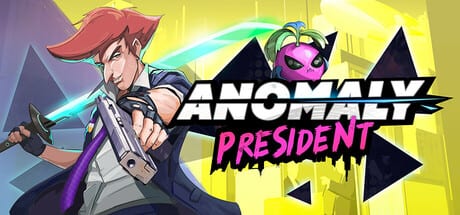
Night combat in Anomaly President is a side-scrolling presidential brawl where melee, parry, environmental kicks, and Anomaly Powers share the same few seconds of enemy telegraphs. Demo players and launch reviews often call the first hours mashy because the game rarely pauses to lecture you on frame timing. This guide focuses on combat inputs only—how to press, when to release, and how to chain actions without eating hits.
Pair this page with Keyboard and Mouse for baseline bindings, then verify every label in Settings → Controls because Early Access patches can shift defaults.
Combat input hierarchy
Think of night inputs in priority order:
- Parry when a white flash or audio cue marks a strike window.
- Kick when a prop is aligned and enemies cluster behind it.
- Anomaly when a wave justifies a cooldown and you are safe afterward.
- Attack to fill gaps—not as the default panic button.
That hierarchy fights the mash instinct. If your logs show you attacking fifty times per encounter but parrying twice, rebind parry closer to movement and drill one enemy type until successful blocks feel automatic.
Parry: the core skill check
Parry is a dedicated input, not a late-frame block held from attack. Tap parry as the enemy wind-up reaches its peak; successful parries stagger or open riposte windows depending on enemy tier. Failed parries leave you vulnerable longer than a whiffed light attack.
Visual language varies by foe: look for glinting weapons, raised claws, or screen-edge warnings. Audio often sharpens before impact—headphones help more than extra attack speed.
Practice route: pick a repeating night node with one melee enemy. Block all attacks except parry attempts. Ignore damage goals; aim for five clean parries in a row before adding a single kick or Anomaly.
Early Access feedback to Phew Phew Games on Discord frequently mentions parry clarity. If a boss telegraph feels ambiguous, note the encounter name and compare after patches.
Attack chains and when to stop
Primary attack is usually one to three hits before recovery. Chaining beyond that without a stagger invite is how runs end. Tap attack once, assess, parry the reply, then decide on kick or Anomaly.
Some Fluffies or bus upgrades extend strings or add launchers. When a new modifier appears, test it in isolation—do not layer it onto old muscle memory mid-boss.
Cancel attack early by parrying if the game allows cancels on your build; if not, walk backward during recovery frames instead of mashing another swing.
Kick inputs and positioning
Kick uses its own button so you do not confuse it with interact. Effective kicks need:
- Facing the object on the correct side-scroller lane.
- Range close enough that the animation connects on frame one.
- Line enemies behind the prop for maximum shove damage.
Kickable objects respawn or appear per encounter script. Scan the arena at spawn: identify one barrel or crate before aggroing. Pre-plan the kick direction so you are not wrestling the camera while a telegraphed swing lands.
If kick whiffs repeatedly, you may be one tile too far forward or backward. Side-scrollers punish depth more than players expect from top-down roguelikes.
Anomaly Powers in combat
Anomaly inputs should be deliberate presses, not panic taps. Most powers have startup animation; pressing during an enemy wind-up guarantees a trade you did not want. Safe patterns:
- Parry the first hit of a duo, Anomaly the second enemy while the first is staggered.
- Kick a prop into a cluster, then Anomaly to clean survivors during hitstun.
- Save defensive Anomalies for elite telegraphs you still cannot parry consistently.
Track cooldown visually on the HUD icon. Early Access UI may not scream when a power returns; glance during walk segments between micro-waves.
Movement between actions
Micro-movement separates good parries from lucky ones. Do not circle endlessly; learn kick prop positions relative to walls.
Fluffies and combat assists
Fluffies recruited during day phases may add passive triggers or manual commands. Place Fluffy keys adjacent to Anomaly, not on parry.
Common mashy habits to break
| Habit | Fix |
|---|---|
| Holding attack through telegraphs | Tap once, return to parry-ready |
| Parry spam without reading cues | Slow down; one parry per telegraph |
| Kick on cooldown, not on setup | Only kick when line and facing are correct |
| Anomaly immediately on spawn | Wait for stagger or parry opener |
| Ignoring bus upgrades that alter strings | Re-learn combo length after each upgrade |
Elite and boss cadence
Bosses mix feints with real strikes. Patience beats parry spam.
Practice checklist
- Rebind parry and kick for one-hand comfort (Keyboard and Mouse).
- Five consecutive parries on a basic enemy type.
- One kick that hits three foes.
- One Anomaly used only after a successful parry.
- Full night without holding attack longer than two taps.
When those steps feel boring, you are ready to push harder routes on the Map Hub without controls holding you back.
Related pages
- Controls Hub — overview and FAQ.
- Keyboard and Mouse — full binding categories.
- Early Access Review — reception and combat feel at launch.
Frequently Asked Questions
Quick answers to the most common questions.
Why do reviews call Anomaly President combat mashy?
Many players attack before learning parry telegraphs. Prioritize parry drills over DPS until openings feel readable.
Can I parry every enemy attack?
Not always. Some elites use unparriable grabs or area bursts. Learn which animations skip the parry flash and dodge instead.
Should kick and Anomaly share the same key?
Avoid it. Both are situational and misfiring either wastes setup or cooldowns.